Economy

Dow tumbles more than 800 points as tariff uncertainty and AI disruption fears roil markets

800-Point Dow Drop: Tariff Uncertainty & AI Fears

Wall Street stumbled at the start of the week as renewed trade tensions and unease over artificial intelligence unsettled investors. Stocks declined broadly, while traditional safe havens gained ground amid rising volatility.Financial markets opened the week under pressure, reflecting a mix of policy uncertainty and sector-specific anxieties that unsettled traders across major exchanges. A combination of newly proposed tariffs from President Donald Trump and persistent questions surrounding the long-term impact of artificial intelligence weighed heavily on sentiment, pushing equities lower and lifting demand for defensive assets.The Dow Jones Industrial Average posted a pronounced downturn, falling by more than 800 points…
Read More
Madrid, in Spain: Why corporate governance practices influence financing costs

How Corporate Governance Impacts Financing in Madrid, Spain

Madrid serves as Spain’s hub for finance and corporate activity: the Bolsa de Madrid hosts the country’s largest listed companies, numerous multinational headquarters operate from the city, and Madrid’s banks and corporate issuers play a central role across European capital markets. Corporate governance in these entities — including board composition, ownership concentration, disclosure standards, audit rigor, and the handling of minority shareholders — significantly influences how lenders, bondholders, equity investors, and rating agencies assess risk. That assessment shapes each firm’s cost of debt and equity, its access to capital markets, and the financing options available to companies based or listed…
Read More
He worked on Wall Street for nearly 50 years. Here’s what he learned about your finances

Your Finances, Wall Street Insights: A 50-Year Perspective

Howard Silverblatt launched his Wall Street career when the S&P 500 lingered under 100 points, and he concluded it as the index was nearing 7,000. Across nearly 49 years, he observed sweeping rallies, punishing downturns, and a profound evolution in how Americans approach investing and retirement savings. His insights deliver a rare, long-range view of risk, discipline, and lasting financial durability.When Howard Silverblatt first reported to work in May 1977, the S&P 500 stood at 99.77 points. By the time he retired in January after almost five decades at Standard & Poor’s—now S&P Dow Jones Indices—the benchmark index had climbed…
Read More
Retail sales were unexpectedly flat in December

December’s Retail Sales: No Growth, Unexpectedly

December is traditionally one of the strongest months for US retail, fueled by holiday shopping and year-end promotions. Instead, consumer spending unexpectedly leveled off, offering a more cautious snapshot of household behavior and raising new questions about economic momentum heading into the new year.The latest retail sales report highlighted an unexpected lull in consumer activity during a period when spending generally picks up, with figures from the US Commerce Department indicating that December retail sales were flat compared with the prior month, a notable cooldown after November’s strong rise, surprising economists who had anticipated continued, though slower, growth, and although…
Read More
France: How companies finance innovation while managing labor and compliance obligations

France: Company Innovation Funding & Compliance

France combines a large public safety net and relatively protective labor rules with a rich ecosystem of public incentives, bank financing, venture capital, and corporate R&D. That mix creates both opportunity and constraint: companies can access multiple financing channels for innovation, but they must manage significant labor-related costs and compliance obligations that affect the economics and timing of innovation projects.Scope and settingR&D intensity: France’s gross domestic spending on research and development is roughly in the low 2-percent range of GDP, below the aspirational 3-percent target adopted by some members of the European Union. That means public incentives are an important…
Read More
Berlin, in Germany: What drives seed-to-Series A conversion in European venture markets

Berlin, Germany: Driving Seed-to-Series A Conversion in European Venture

Berlin stands out as one of Europe’s most dynamic startup centers, blending comparatively affordable living costs, substantial talent reserves, a diverse community of international founders, and a tightly connected web of early-stage investors and operators. This mix turns the city into a natural testing ground for identifying the factors that shape the jump from seed to Series A across the continent. This article brings together market context, essential growth drivers, Berlin-oriented dynamics, illustrative examples, important metrics, and actionable guidance for founders and investors looking to strengthen their chances of advancing from seed financing to a solid Series A round.Why the…
Read More
Amsterdam, in the Netherlands: What founders should know about option plans and taxation

Netherlands Startups: Equity Options & Taxation Guide

Building a team through equity incentives is commonplace among Amsterdam startups, yet Dutch tax and employment rules heavily influence how option arrangements function in real-world scenarios. This guide outlines practical plan structures, the tax effects for both founders and employees, mandatory reporting and withholding requirements, valuation and liquidity factors, and common international complications. Illustrative examples and numerical cases highlight the actual cash flow and tax outcomes founders need to anticipate.Key legal and corporate setup considerationsEntity form: Most startups operate as a private limited company. The company’s corporate documents and capitalization table must authorize an option pool, including maximum size and…
Read More
Paris, in France: What investors expect from ESG disclosures and audit readiness

Paris, France ESG: Investor Expectations on Disclosures & Audit Readiness

Paris occupies a central place in the sustainability and finance conversation. As the birthplace of the 2015 international climate accord, the city and its financial institutions have high visibility on climate transition ambitions. Institutional investors, asset managers, pension funds and banks in Paris and across France increasingly expect clear, comparable, and auditable Environmental, Social and Governance (ESG) disclosures from listed companies and large private firms. The combination of EU rules (notably the Corporate Sustainability Reporting Directive), French regulators’ scrutiny, and strong investor activism makes Parisian markets a leading test case for how disclosure and audit readiness must evolve.Regulatory framework shaping…
Read More
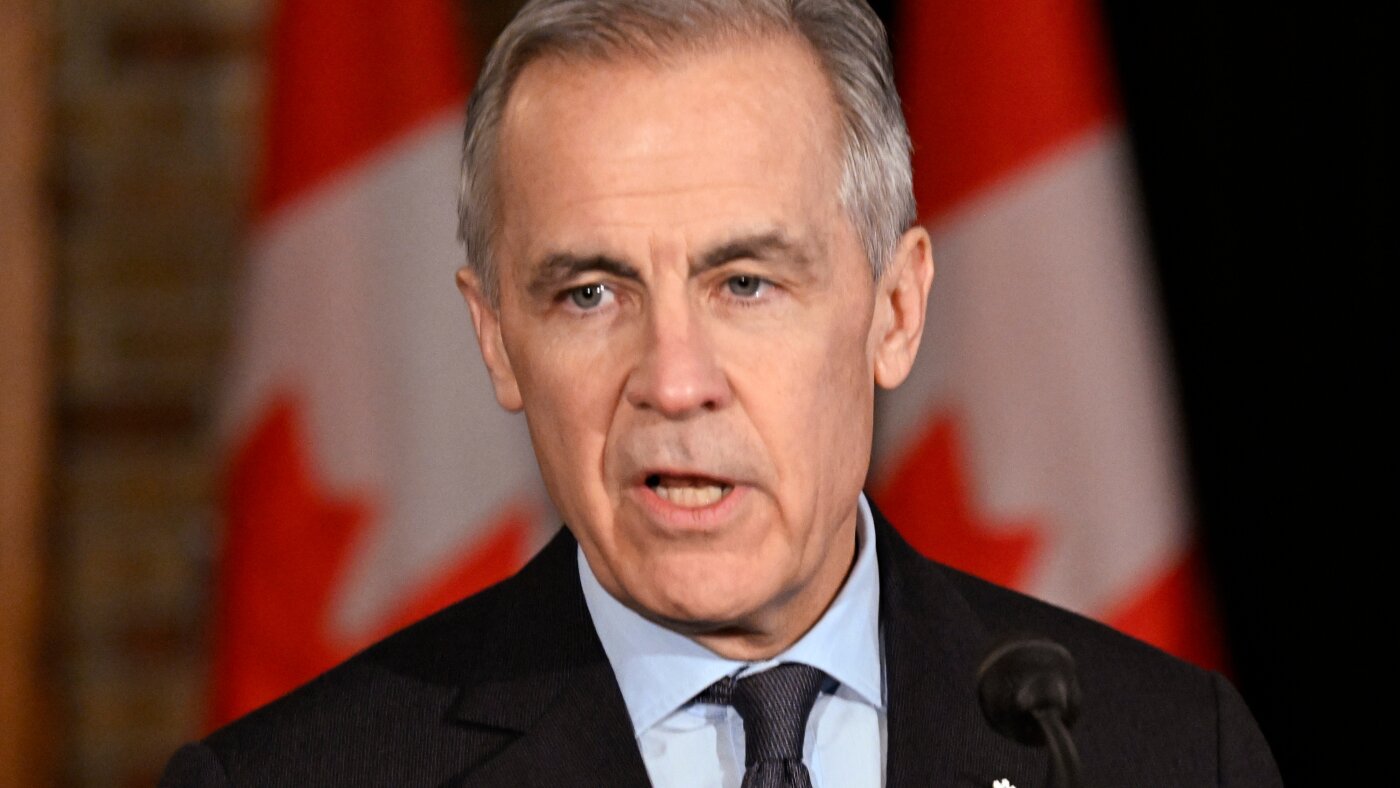
Trump threatens new 100% tariffs on Canada over possible trade deal with China

Trump’s Tariff Threat to Canada: 100% over China Deal

Tensions between the United States and Canada intensified this week after President Donald Trump cautioned that he might levy significant tariffs on Canadian imports should the nation deepen its trade relationship with China, a statement that represents the latest surge in ongoing commercial frictions between the two neighbors.President Trump’s latest remarks have stirred doubts about the stability of trade relations across North America. Posting on his Truth Social platform, Trump claimed that Canada could face serious economic fallout if it permits Chinese products to enter the U.S. through Canadian channels. He cautioned that any trade pact between Canada and China…
Read More
Trump and northeastern governors push for massive electricity auction to make tech giants defray costs

Trump, NE Governors’ Massive Electricity Auction: Shifting Tech Giants’ Energy Burden

As electricity demand accelerates across the United States, a new proposal has placed the energy consumption of large technology companies at the center of a broader debate about infrastructure, affordability and responsibility. What began as a technical discussion about grid capacity has evolved into a political and economic question with nationwide implications.The administration of Donald Trump, alongside a group of governors from northeastern states, has urged PJM Interconnection, the largest power grid operator in the country, to consider holding an extraordinary electricity auction. The goal is to secure new, long-term energy generation while shifting more of the financial burden toward…
Read More